
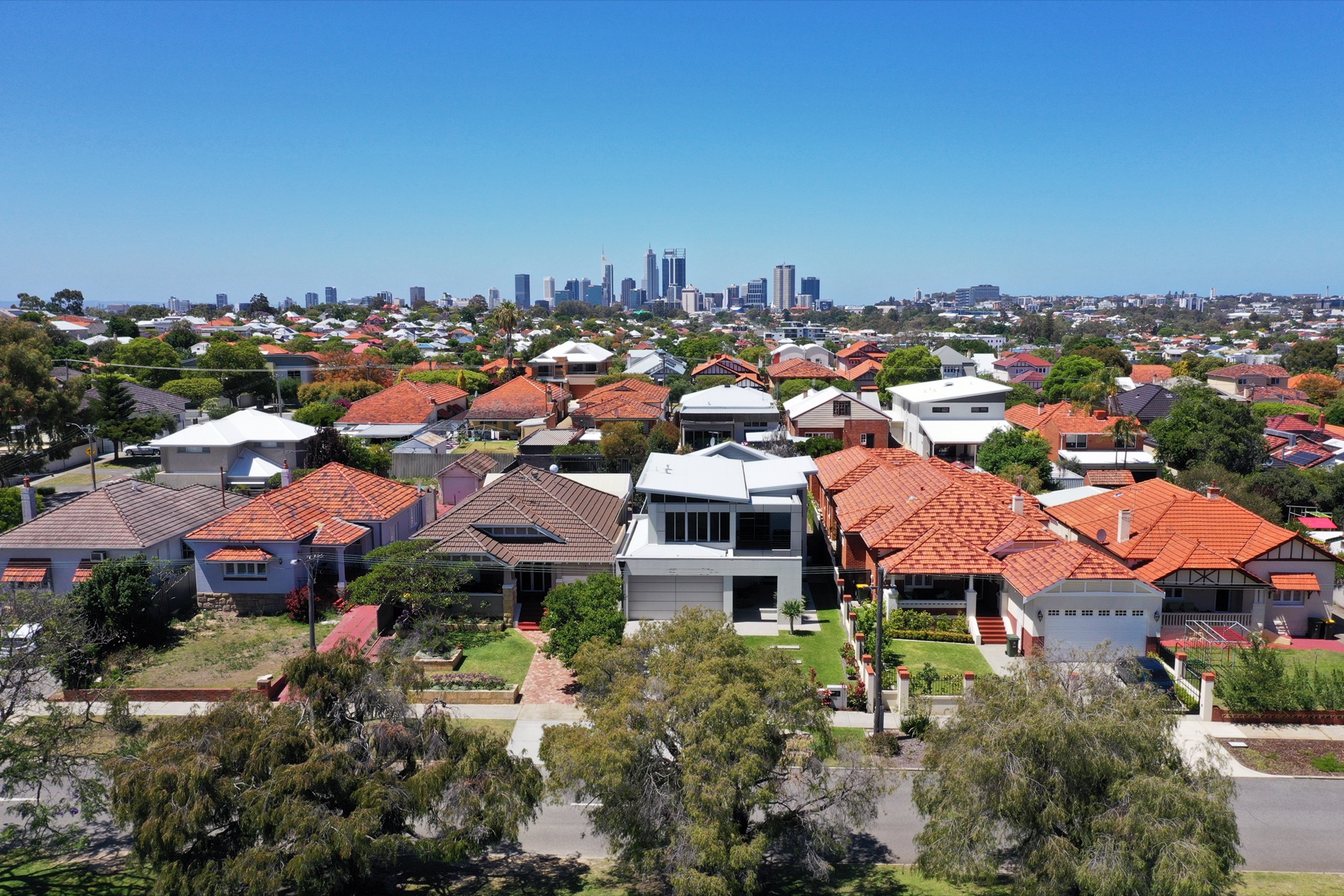

The average Australian home now costs $1,074,700. That's up 63% since March 2020. At current savings rates it takes the typical household 10.6 years to save a deposit. By the time they have saved it, prices have moved again.
This isn't a Sydney or Melbourne story. It is national. And it is not accidental. It is the outcome of a supply shortage that has been building for more than a decade.
The supply gap, in numbers
- Australia completed 177,000 new dwellings in 2024, against demand for 223,000.
- The National Housing Supply and Affordability Council forecasts 938,000 homes built by 2029 versus a target of 1.2 million, a shortfall of 262,000.
- No state or territory is currently on track to meet its share.
- Only 14% of Australian households on a median income can currently afford to buy. In NSW, that figure drops to 10%.
When supply cannot keep pace with demand, prices rise. That is not ideology. That is market mechanics.
Demand isn't standing still, the population is growing fast
Australia's population reached 27.7 million in September 2025. Over the previous 12 months, the country added 423,600 people, roughly 1,160 every single day. 73% of that growth came from net overseas migration (311,000 people), with the rest from births outpacing deaths.
At the post-COVID peak in the year to September 2023, net overseas migration hit 556,000 people, an all-time record.
Here is what that means for housing. At the ABS average household size of around 2.5 people, those 423,600 new residents need roughly 170,000 new homes just to stand still. Australia built 177,000 dwellings in 2024.
Put differently, almost every new home going up right now is being absorbed by population growth. There is almost nothing left over to chip away at the backlog, which is why the 262,000 home shortfall keeps getting wider, not smaller.
Why we're not building fast enough
Three bottlenecks stand out in the data.
1. Trades shortage
The construction trades fill rate is 57%. Nearly half of all tradie job ads go unfilled. A home that took 9 months to build in 2010 now takes 12.7 months.
2. Approval delays
A town planner in 1986 assessed around 54 dwellings a year. The average today is 9. In some capital cities, development approval now takes over a year.
3. Government charges
The Housing Industry Association estimates government charges, stamp duty, levies and GST make up around 50% of the total price of a new Sydney house and land package, before a single brick is laid.
Rent is doing what prices are doing
Rents have risen 42.9% in five years, adding roughly $204 a week to the median rental. So while would-be buyers can't save fast enough to get in, they are paying more to rent than ever, which makes saving harder still.
The foreign ownership picture
According to the Foreign Investment Review Board, $6 billion of foreign investment in Australian residential real estate was approved in FY2022-23, around $16.4 million every day. The ATO Register also recorded 6,265 new foreign residential land acquisitions in FY2023-24.
There is no official full stocktake of how many Australian dwellings are foreign-owned overall. The ATO Register only captures acquisitions from 1 July 2016 onward, so the true total is higher than the registered figure, but by how much is not published.
For comparison, Singapore took a different approach. It introduced an Additional Buyer's Stamp Duty for foreigners starting at 10% in 2011. It is now 60%. After that last increase, foreign purchases of Singapore private property fell 59% in a single quarter, and the market stabilised.
Australia currently has a two-year ban on foreign purchases of established dwellings, running from 1 April 2025 to 31 March 2027.
Where the market is right now
The April 2026 snapshot shows a market splitting in two. Perth is still racing ahead, up 2.5% in March alone and 7.3% over the quarter. Brisbane and Adelaide are climbing steadily. Sydney and Melbourne have flattened. Sydney dipped 0.1% in March and Melbourne has fallen 0.9% since November, officially in mild decline (Cotality).
Auction clearance rates have pulled back fast. The national capital city rate was 56.5% for the weekend ending 18 April 2026, down from 64.3% the week before, as listings surged after the school holiday window. Brisbane posted the weakest result at just 37.7%, while Sydney held up at 63.7%.
Rents are going the opposite direction. In March, Darwin house rents jumped 5.5% in a single month. Annual house rent growth is running at 7.1% in Perth, 6.6% in Hobart and 6.5% in Brisbane. Only Melbourne is down year on year at −0.4%. Sydney remains the most expensive capital for renters at $820 a week for a median house. The national residential vacancy rate slipped again in March to just 1.0%, meaning almost every rental is taken.
And the cost floor under new housing keeps climbing. The national house building costs index hit 164.1 in February 2026, up 4.6% year on year and more than 60% over five years. That is before a single sale price is negotiated.
Dr Andrew Wilson summed up the current picture in his latest commentary.
Dr Andrew Wilson, April 2026
"The property market is adjusting, not weakening. Migration is slowing from its peak, but still remains historically high. This means housing demand will moderate, not disappear."
Prices may wobble in the short term. The structural pressures are still there. Not enough homes. A population that keeps growing. Building costs still climbing. Vacancy rates at record lows. The question is not whether prices climb from here, but how steeply.
The bigger picture
When you look at everything together, the story stays the same. Supply is falling short of demand, and on every measure we track it is getting worse rather than better. There is no quick fix in sight, because every lever that might ease prices takes years to pull. More tradies take years to train. Approval reform takes years to legislate. New estates take years to zone, plan and build. Meanwhile, the population keeps growing and the shortfall keeps widening.
Interest rates do not help either. When rates rise, rents rise with them. Landlords pass higher costs on to tenants, vacancy tightens, and rents that were already too high become even higher. Saving a deposit gets harder. The deposit you need keeps growing. The time it takes to save stretches further out. The market is tough right now, and on every measure we track it is only going to get tougher.
So when is the best time to buy?
The honest answer is that the best time to buy is when you can comfortably afford to do so. Do not chase the market. Do not expect instant equity. What matters most is time in the market, not timing the market. If you are ready, get in. If you are not, keep protecting your savings, keep building your deposit, and stay informed. Understanding what is driving the market is the first step to making a confident decision when your time comes.
Common questions
Why are Australian home prices rising?
Supply is not keeping pace with demand. The National Housing Supply and Affordability Council forecasts 938,000 homes built by 2029 against a target of 1.2 million, a shortfall of 262,000. Meanwhile Australia added 423,600 new residents in the year to September 2025. When supply cannot match demand, prices climb. That is not ideology. That is market mechanics.
How much have Australian home prices risen since 2020?
The average Australian home now costs $1,074,700, up 63% since March 2020. At current household savings rates, it takes the typical household 10.6 years to save a deposit.
Why is Australia not building enough new homes?
Three bottlenecks stand out in the data. First, a trades shortage means the construction fill rate is only 57%, and a home that took 9 months to build in 2010 now takes 12.7 months. Second, development approval delays of over a year in some capital cities. Third, government charges, stamp duty, levies and GST make up around 50% of the total price of a new Sydney house and land package, before a single brick is laid.
Are rents in Australia rising as well?
Yes. Rents have risen 42.9% over five years, adding around $204 a week to the median rental. The national vacancy rate fell to just 1.0% in March 2026, meaning almost every rental is taken. Annual house rent growth is running at 7.1% in Perth, 6.6% in Hobart and 6.5% in Brisbane.
Are foreign buyers driving up Australian property prices?
Foreign investment in Australian residential real estate was around $6 billion in FY2022-23, roughly $16.4 million per day. There is no official full stocktake of foreign-owned dwellings overall. Australia currently has a two-year ban on foreign purchases of established dwellings, running from 1 April 2025 to 31 March 2027.
When is the best time to buy Australian property?
The best time to buy is when you can comfortably afford to do so. Different markets cycle at different times. Perth is up 7.3% over the quarter while Melbourne has fallen 0.9% since November. What matters most is time in the market, not timing the market. If you are ready, get in. If you are not, keep protecting your savings and stay informed.